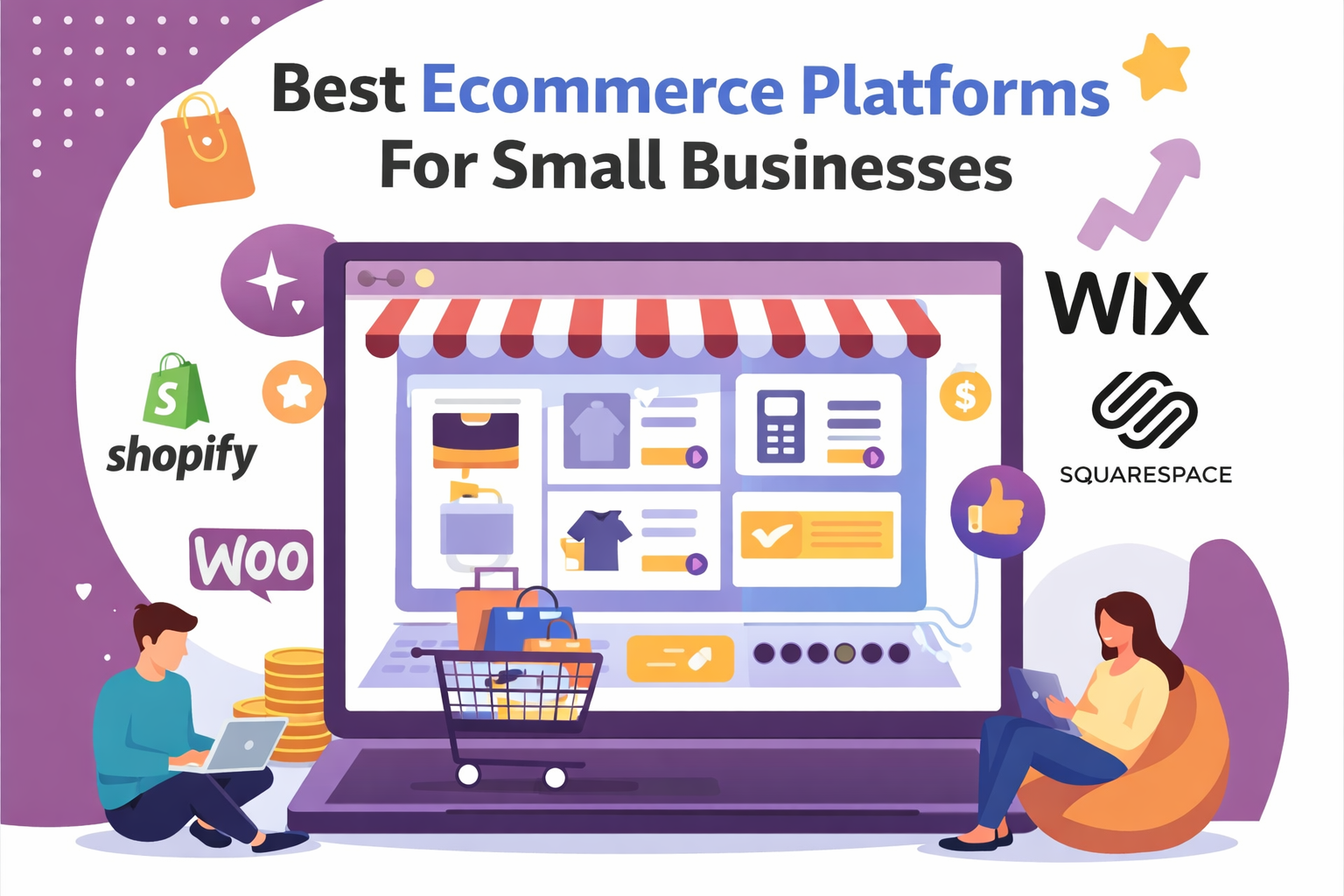
Choosing the right e-commerce platform is one of the most strategic decisions a small business owner can make. The ideal platform should balance ease of use, scalability, cost-effectiveness, and feature richness—without requiring deep technical expertise. In this article, we explore the Best E-commerce Platforms for Small Businesses in 2026 that small businesses should consider.
1. Shopify
Why It’s a Top Choice
Shopify continues to lead the pack as a premier e-commerce platform for small businesses. It is renowned for its intuitive interface, extensive app ecosystem, and robust support infrastructure. For entrepreneurs who want to launch quickly and manage operations without technical complexity, Shopify remains an excellent choice.
Key Features
-
Drag-and-drop storefront builder
-
Built-in payment gateway (Shopify Payments)
-
App marketplace with hundreds of integrations
-
Multi-channel selling (e.g., Instagram, Facebook, Amazon)
-
Comprehensive analytics dashboard
Who It Suits
Shopify works well for small businesses that prioritize ease of use and fast setup, including retail stores, subscription sellers, and dropshippers. Its scalability also means it can grow with your business.
2. WooCommerce
Why It’s a Top Choice
WooCommerce is a flexible, open-source e-commerce plugin for WordPress and remains a solid platform for small businesses that want control and customizability. Unlike hosted solutions, WooCommerce gives you full ownership of your site and data.
Key Features
-
Seamless integration with WordPress
-
Extensive theme and plugin ecosystem
-
No subscription fees (hosting and extensions cost extra)
-
Full control over store design and functionality
-
Supports digital and physical products
Who It Suits
WooCommerce is ideal for businesses already using WordPress or those with specific customization needs. It’s particularly suitable for content-driven brands or niche sellers who want to integrate e-commerce with blogging or content marketing.
3. BigCommerce
Why It’s a Top Choice
BigCommerce is often recommended for small businesses with ambitious growth plans. It combines powerful out-of-the-box features with strong SEO capabilities, making it attractive for businesses that want to scale without relying heavily on third-party apps.
Key Features
-
Built-in sales tools and advanced SEO features
-
Unlimited products, storage, and bandwidth
-
Multi-currency and international selling support
-
Headless commerce ready
-
Enterprise-level features without enterprise pricing
Who It Suits
BigCommerce is well-suited to businesses that anticipate rapid growth and need enterprise-grade tools early. It’s also strong for companies that rely on organic search and need robust SEO support.
4. Wix eCommerce
Why It’s a Top Choice
Wix has evolved far beyond its origins as a simple site builder. Its e-commerce solution provides an affordable and user-friendly platform for small sellers who want aesthetic control and simplicity.
Key Features
-
Visually rich templates
-
Intuitive editor with design flexibility
-
Built-in marketing tools
-
Integrated payments
-
App Market for expanding functionality
Who It Suits
Wix eCommerce is particularly attractive to small businesses with a strong visual brand identity—such as boutique retailers, artists, and service providers. It is cost-effective for startups and solopreneurs.
5. Squarespace Commerce
Why It’s a Top Choice
Squarespace has a strong reputation for design excellence, and its commerce capabilities have matured significantly. The platform combines beautiful templates with functional e-commerce tools suitable for small operations.
Key Features
-
Award-winning design templates
-
Order management and fulfillment tools
-
Integrated email campaigns
-
Analytics and reporting tools
-
Mobile-optimized storefronts
Who It Suits
Squarespace works well for creative entrepreneurs, designers, and brands that prioritize visual storytelling alongside commerce.
Choosing the Right Platform in 2026
When selecting an e-commerce platform, small businesses need to evaluate several factors:
1. Budget and Cost Structure
Understand not just monthly fees, but also transaction costs, theme costs, and app/plugin expenses.
2. Technical Skill Requirements
Some platforms require minimal technical skills (e.g., Shopify, Wix), while others (e.g., WooCommerce) may need more hands-on technical setup and maintenance.
3. Scalability
Choose a platform that accommodates future growth without forcing an early migration.
4. Ecosystem and Integrations
Check whether the platform supports your preferred payment gateways, marketing tools, accounting software, and fulfillment partners.